

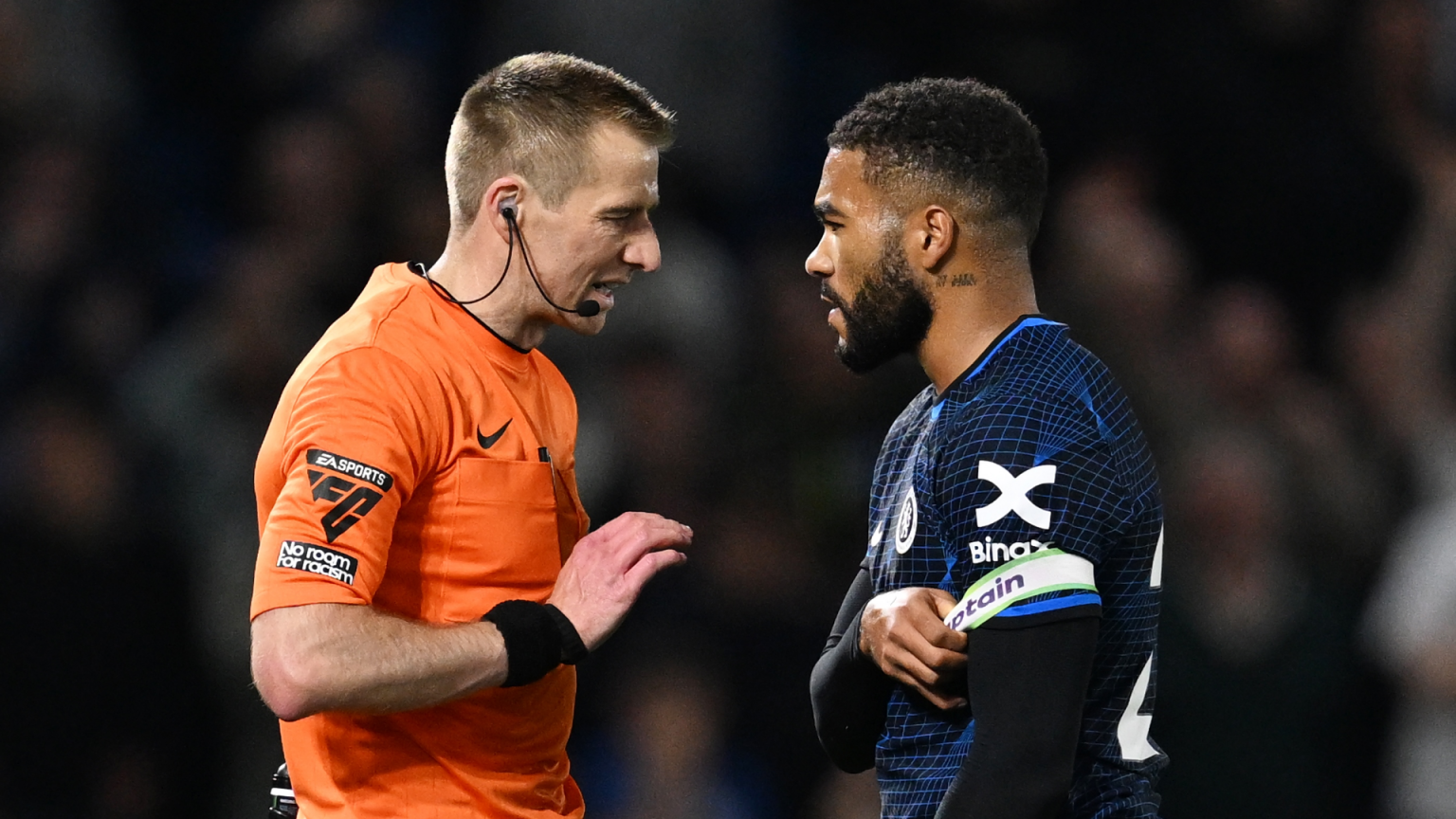

Survival fights in the 2023/24 Premier League played out in a season of intense pressure, stricter time‑wasting rules and elevated disciplinary numbers, all of which pushed yellow cards, red cards and penalties into sharper focus. When clubs hovering around the drop zone carried that pressure into must‑not‑lose fixtures, individual duels, defensive desperation and tactical risk combined to raise both the frequency and the impact of major refereeing decisions in these games.
Why Relegation Six-Pointers Are Structurally Prone To More Cards
Relegation six-pointers concentrate financial risk, job security and long-term sporting futures into a single match, which naturally elevates physical commitment and tactical cynicism. In 2023/24 the battle involved Nottingham Forest, Luton, Burnley and other strugglers across a campaign where new enforcement on dissent and time-wasting was already lifting caution counts above historic norms, so the baseline for yellow cards was higher before tension was added. Under those conditions players trying to break up counters, delay restarts or intimidate opponents often pushed past disciplinary thresholds, turning routine fouls into bookings and risky challenges into straight reds with direct consequences for match state and survival probability.
The 2023/24 Relegation Picture And Its Pressure Points
The shape of the relegation race determines where disciplinary flashpoints are most likely. In 2023/24 all three promoted clubs—Luton Town, Burnley and Sheffield United—went down, while Nottingham Forest survived with only 32 points after a four-point deduction, a record low for safety that kept pressure high until late in the season. Forest’s sanction and appeal process meant uncertainty around their true position persisted into the run-in, creating matches where a single result could flip survival odds dramatically, especially against direct rivals. For clubs facing similar knife-edge scenarios, the need to protect narrow leads or chase improbable turnarounds produced exactly the kind of frantic defending and emotional volatility that tend to translate into extra cards and last-ditch penalties.
How Refereeing Trends And Rule Emphasis Raised Card Counts
Cards do not rise in a vacuum; they respond to how laws are interpreted and enforced. From 2023/24 onwards, stricter application of rules around dissent, time-wasting and technical offences increased yellow-card rates across the league, with analysts noting a jump from historic levels to above four bookings per game once the new directives took hold. Because relegation contenders often rely on disrupting rhythm and managing time when protecting results, they were especially exposed to these changes, picking up cautions not only for tackles but also for delaying throw-ins, kicking the ball away or contesting decisions too aggressively. That context makes it rational to treat survival matches as higher-baseline card environments even before factoring in the extra emotional edge specific to their situation.
Mechanisms That Turn Survival Pressure Into Yellow And Red Cards
The pathway from league position to disciplinary risk runs through tactical choices and individual decision-making under stress. Teams fighting relegation frequently defend deeper and accept more pressure, which naturally increases the volume of last-ditch interventions in and around the penalty area, some of which cross the threshold into cautionable or sending-off offences under FA codes covering denial of a goalscoring opportunity and serious foul play. In addition, accumulated frustration at controversial calls or VAR delays can spill over into dissent, a specific focus for referees in recent seasons, further lifting yellow-card counts even without especially dangerous challenges. When players are already on bookings, one mis-timed tackle or reaction can then escalate to a second yellow and red, turning marginal contact into a pivotal numerical disadvantage.
Conditional Scenarios: When Do Reds Become Most Likely?
Red cards cluster in particular match states rather than arriving randomly. When a trailing relegation-threatened side chases the game late on, defenders may choose to pull down a forward through on goal, triggering dismissals under denial-of-opportunity laws and often awarding penalties at the same time. Conversely, when a team under huge pressure finally gains a fragile lead, its players may revert to risk-averse clearances and tactical fouls higher up the pitch, which favour yellows over reds but still inflate the overall card count. Understanding these conditional mechanisms helps explain why certain survival fixtures swing from cautious first halves into chaotic conclusions that combine increased card risk with penalty potential.
Penalties In The Context Of Desperate Defending
Penalties are not only about clumsy tackles; they also reflect where and how a team chooses to defend when they can afford neither a defeat nor a long period of sustained pressure. Relegation candidates often end up defending deep in their own box due to technical inferiority, leading to more blocked shots, handball claims and contact in crowded areas where small nudges can look decisive in slow-motion VAR reviews. In 2023/24, the broader emphasis on getting key match incidents right, with high reported accuracy rates for penalties and red cards, ensured that more of these marginal situations were captured and corrected, which slightly increased the visibility and weight of such decisions in the relegation fight. For bettors, that combination of deep blocks, aerial bombardment and intensive VAR scrutiny makes survival matches natural candidates for elevated penalty risk compared to mid-table dead rubbers where both teams defend higher and contact zones shift away from the area.
Club-Level Discipline Profiles Among Relegation Candidates
Even within a high-pressure environment, clubs differ sharply in how often they draw cards. In Premier League disciplinary records, Everton stand out historically for the most red cards in total, while Chelsea’s 2023/24 campaign set a single-season record for yellow cards, illustrating how tactical aggression and squad composition can turn into persistent disciplinary trends. Among relegation strugglers, less experienced squads or those installed in unfamiliar systems were prone to mistimed pressing and poorly judged recovery runs, both of which raise foul counts and thus card probability when the stakes are highest. When you overlay those tendencies on fixtures where survival hinges on fine margins, you get matches where the pre-existing discipline profile of a club amplifies the tension-driven uptick in risky actions and penalty claims.
Interpreting Card And Penalty Odds Around UFABET
Card and penalty markets react to both long-term statistics and short-term narratives, and relegation battles sit at the crossroads of those forces. Odds on bookings or sendings-off will usually bake in that pressure, but they may still under- or overreact to specific storylines such as a manager’s public complaints about refereeing or media focus on VAR controversies in previous rounds. When traders on a betting destination like เว็บพนัน ufabet168 adjust prices sharply after team news, referee appointments or public debate about disciplinary trends, a careful observer can compare those moves against underlying club profiles and league-wide enforcement data to decide whether the shifts reflect genuine information or simply sentiment. That evaluation matters because card and penalty props can move quickly in the hours before high-stakes kick-offs, and distinguishing data-driven adjustments from emotional flows is central to treating them as structured opportunities rather than reacting impulsively to relegation drama.
Interface Design, casino online Contexts, And Micro-Market Exposure
Relegation matches often anchor promotional schedules on digital gambling products, with special markets for “player to be booked,” “penalty awarded,” or “red card in the match” presented alongside more conventional bets. When those same fixtures are embedded inside a casino online website that also showcases slots and live tables, the constant stimuli and cross-promotions can encourage bettors to overexpose themselves to high-variance card and penalty props precisely because they feel emotionally aligned with the tension on the pitch. From a risk perspective, treating these micro-markets as tools for targeted exposure rather than default selections requires stepping back from the interface’s urgency cues—countdowns, flashing boosts, limited-time offers—and rechecking whether the implied probabilities still align with the observed disciplinary environment in a specific matchup. By consciously filtering out interface-driven impulses, bettors can avoid turning a rational acknowledgment of elevated card and penalty risk in survival games into an undisciplined cluster of overlapping, correlated bets.
When The Expected Card And Penalty Spike Fails To Appear
Despite all these structural pressures, some relegation battles unfold with fewer incidents than anticipated. If both managers approach a fixture with a shared understanding that avoiding defeat is more valuable than chasing victory, they may instruct players to reduce risky tackles, stay on their feet in the area and limit remonstrations with officials, producing calmer games where expected card spikes fail to materialise. Referee behaviour can also dampen outcomes when an official chooses to manage emotions verbally instead of issuing early bookings, effectively resetting the disciplinary tone of a match that might otherwise have spiralled. These failure cases underline the need to treat elevated card and penalty expectations in relegation fixtures as probabilistic rather than guaranteed, adjusting stake sizes accordingly and being ready to downgrade angles when pre-match comments, tactical setups or referee profiles point to a more controlled contest than the league position alone would suggest.
Summary
Relegation battles in the 2023/24 Premier League sat at the intersection of intensified law enforcement and extraordinary survival pressure, creating fertile ground for yellow cards, red cards and penalties without making them inevitable. Deep defensive blocks, desperate game states and stricter treatment of dissent all raised disciplinary baselines, especially for clubs whose existing profiles already leaned towards aggressive or chaotic play. The most grounded way to read these matches is to combine league-wide trends, club discipline data, tactical context and refereeing emphasis, then treat card and penalty angles as structured probabilities rather than certainties, adjusting exposure whenever managerial approach or officiating style signals that the anticipated spike in incidents may not arrive.