


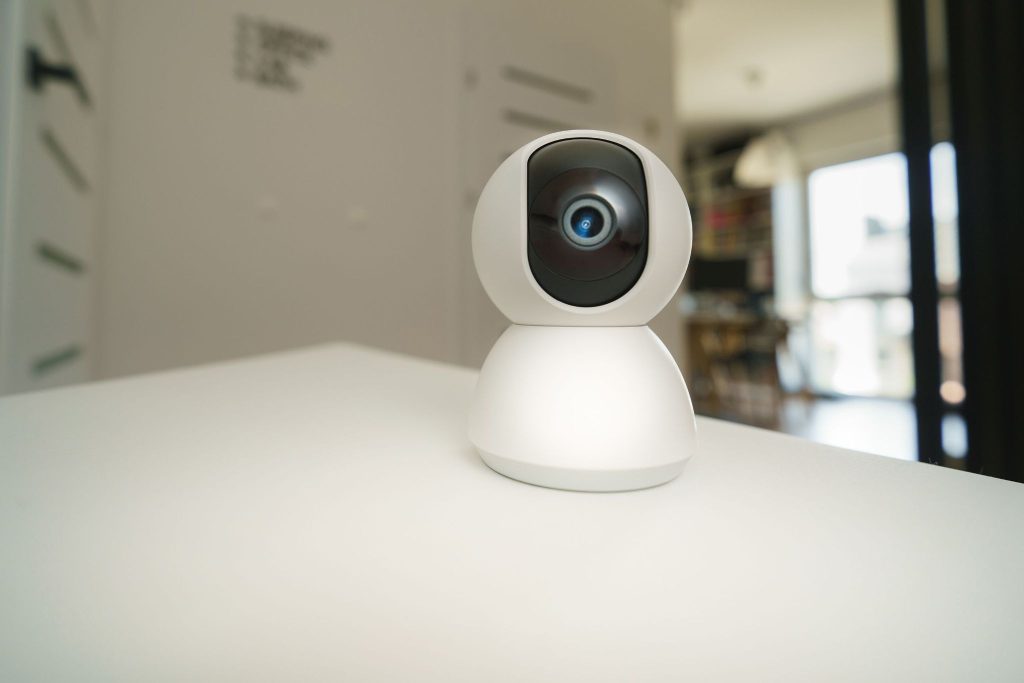
Professional security installation outperforms DIY solutions because it combines expert knowledge, tailored system design, and reliable equipment with ongoing support—giving homeowners a more effective and dependable layer of protection than off-the-shelf kits can provide.
DIY security systems have never been more accessible. You can order a kit online, follow a YouTube tutorial, and have cameras running by the afternoon. It feels empowering—and affordable. But there’s a real difference between a system that looks functional and one that’s genuinely built to protect your home.
What Does a Professional Installer Actually Bring to the Table?
Certified security professionals don’t just mount cameras and walk away. They bring years of hands-on experience identifying blind spots, assessing entry vulnerabilities, and configuring systems to respond correctly under pressure. They know, for example, that a camera placed too high loses facial detail—and that a motion sensor near a vent will trigger false alarms constantly.
That kind of knowledge isn’t included in a DIY kit.
Why Generic Kits Fall Short for Your Specific Home
Every home has a unique layout, and cookie-cutter solutions rarely account for that. A home security installation service starts with a thorough property assessment—evaluating entry points, lighting conditions, landscaping, and even neighborhood crime patterns—before recommending a single piece of equipment.
DIY kits are designed for the average home, which means they’re optimized for no home in particular. What you gain in convenience, you often lose in coverage.
How Professional-Grade Equipment Differs in Reliability
The equipment matters as much as the installation. Professional-grade systems are built to tighter tolerances, with components designed to perform in extreme weather, power fluctuations, and tampering attempts. DIY systems, while improving, still lag behind in long-term durability and fail-safe design.
A poorly installed sensor or a camera that drops its Wi-Fi connection at 2 a.m. isn’t just inconvenient—it’s a gap in your protection.
Can a DIY System Integrate With Your Smart Home?
Smart home integration sounds straightforward until you’re troubleshooting why your doorbell camera won’t sync with your lighting system. Professional installers are trained to work across platforms—ensuring your locks, alarms, cameras, and sensors communicate seamlessly.
This kind of integration requires more than technical knowledge. It requires experience with how different systems behave together, something most homeowners only discover is complicated after the fact.
What Happens After Installation?
This is where DIY systems consistently fall short. Once your kit is set up, you’re largely on your own. If something malfunctions, you’re back on YouTube or waiting on customer support.
A professional home security installation service typically includes ongoing maintenance, system health checks, and access to professional monitoring—meaning someone is watching out for your home even when you’re not. That layer of accountability is difficult to replicate independently.
The Quiet Value of Peace of Mind
There’s a human side to home security that specs and price tags don’t capture. Knowing that your system was designed specifically for your home, installed correctly, and backed by professional support changes how you feel when you lock the door at night.
That confidence isn’t a luxury—it’s the whole point.
Investing in Security That Actually Works
DIY systems have their place, particularly for renters or those with tight budgets. But for homeowners looking for lasting protection, a professional home security installation service offers something off-the-shelf products simply can’t match: expertise, precision, and accountability built into every step.
The upfront cost is higher. The long-term value—fewer vulnerabilities, less troubleshooting, and genuine peace of mind—almost always makes it worth it.