
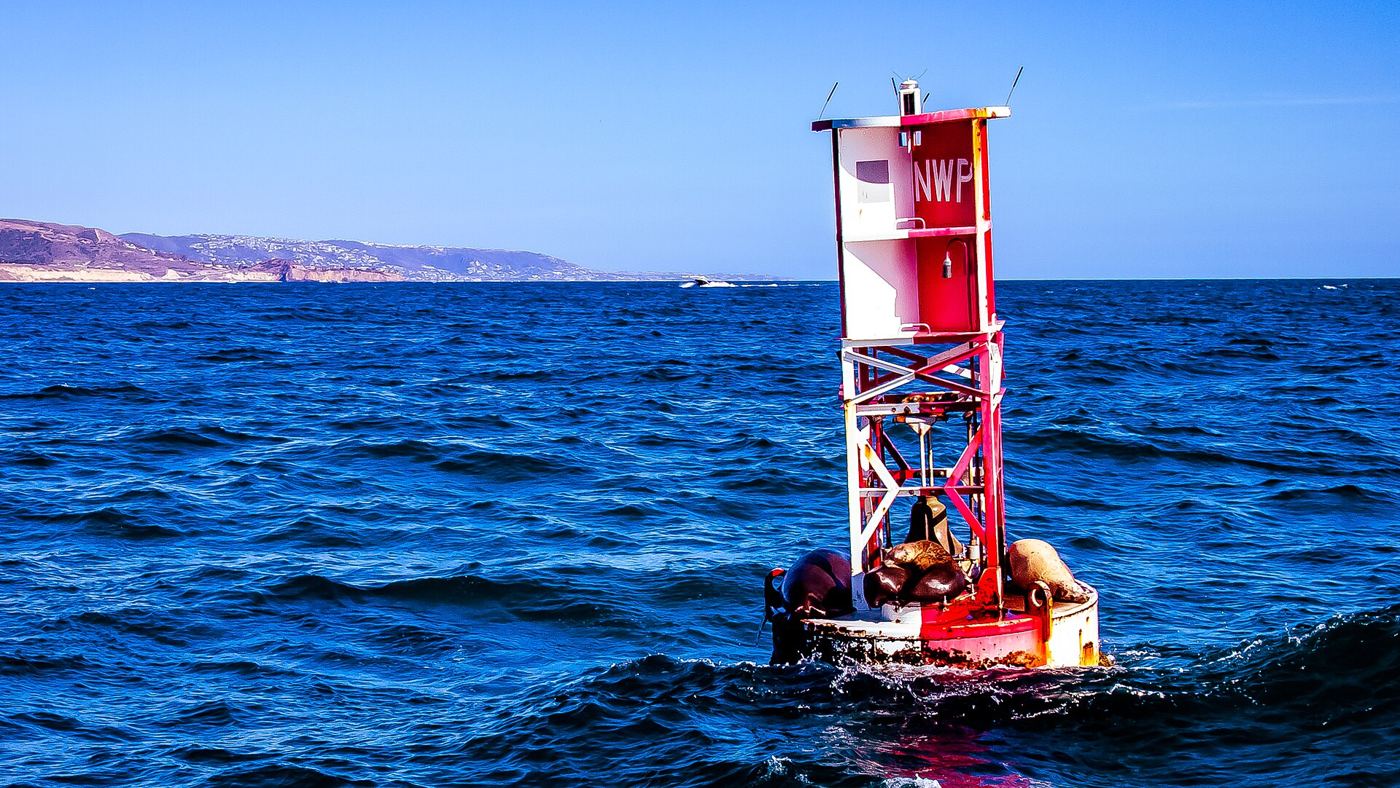

A tsunami is not a single wave but a series of waves that can cross an entire ocean at the speed of a jet aircraft, arriving with little visible warning. On 26 December 2004, a magnitude 9.1 earthquake off the coast of Sumatra generated a tsunami that killed about 228,000 people across fourteen countries, most of whom had never received a warning. In the Indian Ocean that day, no warning system existed at all. The disaster transformed how the world watches the sea. Today, networks of seismometers detect undersea earthquakes within minutes, and a system of deep-ocean sensors called DART, short for Deep-ocean Assessment and Reporting of Tsunamis, measures the pressure change as a wave passes overhead, even when the wave is less than a metre high in deep water. The data travels by satellite to warning centres in Hawaii and Alaska, which issue alerts to threatened coasts.
What the Evidence Shows
The system works in layers, and each layer buys time. Seismometers give the first indication that a tsunami may have been generated, DART buoys confirm that a wave really exists and measure its size, and coastal tide gauges provide final confirmation as it approaches land. Warnings travel through sirens, text alerts, television and radio, and in Japan the meteorological agency can issue a major warning within minutes of a large earthquake. The limits are real: for communities close to the earthquake, the wave may arrive in fifteen minutes or less, too fast for any warning, and the only defence is to run for high ground when the earth shakes. False alarms also carry a cost, eroding trust. But for distant shores, the system has already saved lives, turning what was once a silent catastrophe into a threat that can be seen coming. Reporting and analysis from sources such as Nature track the same developments, and specialists following tsunami warning systems say the direction is now consistent across independent lines of evidence.
The Wider Context
The wider context is a research landscape in which replication and open data now decide reputations. Findings connected to tsunami warning systems are being checked by independent groups with shared datasets, and the teams involved publish their methods in full so rivals can test every step. That discipline is slower than a headline cycle, but it is why results in this area increasingly survive first contact with scrutiny.
What Happens Next
What happens next in the story of tsunami warning systems will be decided by follow-up work already under way: larger samples, longer observation and instruments that have not yet come online. The researchers involved are unusually united on one point, that the current results justify the next investment of time and money. Readers will not have to wait long for the first tests of that claim. You can follow related developments in our coverage of science.
None of this will be settled by a single announcement, study or product launch. The pattern to watch is accumulation: independent confirmations, honest reporting of failures and steady improvement in the underlying numbers. Readers who follow those signals, rather than the loudest claim of the week, will understand this subject better than most of the commentary surrounding it suggests is possible.