
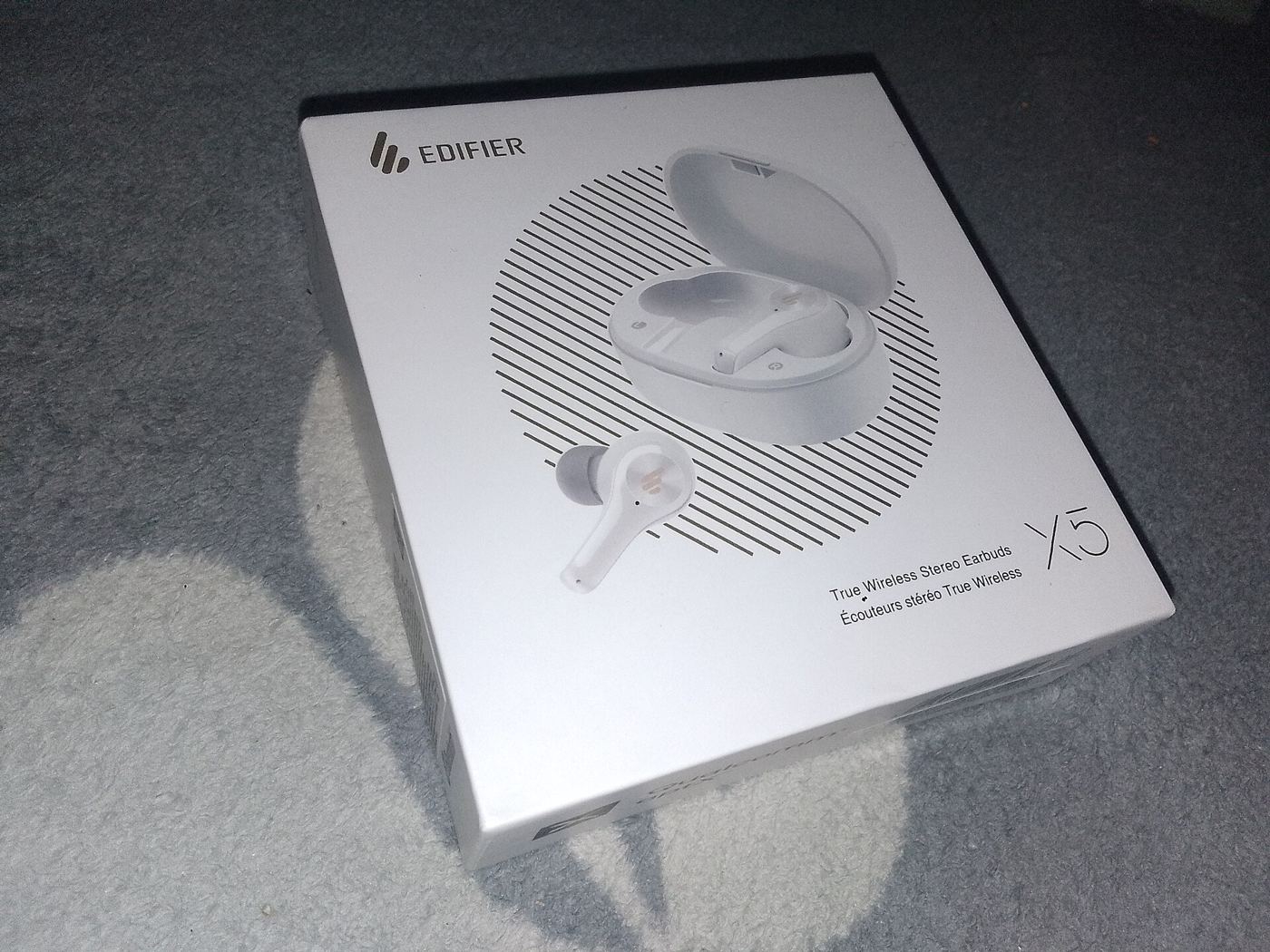

For millions of people with mild hearing loss, the biggest barrier to getting help has never been technology but cost, stigma and inconvenience. Traditional hearing aids can cost thousands, require appointments and fittings, and carry a social stigma that puts many people off. Wireless earbuds are changing that calculation. Recent changes in regulation allow earbuds to be sold as over-the-counter hearing aids, with built-in microphones that amplify conversations and apps that run a hearing test and tune the sound to the wearer’s ears. The devices look like ordinary earbuds, cost a fraction of traditional aids, and can be bought without a clinic visit. Audiologists say the shift could bring help to people who have lived with untreated hearing loss for years, a condition linked to social isolation and faster cognitive decline, simply because the help now arrives in a familiar, affordable form.
What the Evidence Shows
The new earbuds are not a replacement for medical hearing aids in every case. People with severe hearing loss, ear infections or sudden changes in hearing still need professional care, and experts warn that self-fitting devices can miss problems a clinician would catch. Battery life is another limit, since amplification drains power faster than music playback, and the small devices can be fiddly for users with limited dexterity. Even so, early studies show many users keep wearing them, report clearer conversations in noisy places such as restaurants, and say they feel less self-conscious than they would with a visible hearing aid. Manufacturers are adding features such as fall detection and health monitoring, turning the earbud into a broader wellness device. Health researchers hope the trend will normalise hearing support the way reading glasses normalised vision help, making it an ordinary purchase rather than a medical event. Reporting and analysis from sources such as MIT Technology Review track the same developments, and specialists following the hearing-assist earbuds say the direction is now consistent across independent lines of evidence.
The Wider Context
The wider context is an industry learning to ship capability and restraint together. Products built around the hearing-assist earbuds now launch with safety evaluations, usage data and rollback plans as standard, because enterprise buyers and regulators ask for them in the first meeting. Companies that treated those questions as friction are discovering they have become the purchase criteria.
What Happens Next
What happens next for the hearing-assist earbuds depends less on another breakthrough than on the unglamorous work of reliability, pricing and support. The buyers evaluating it now are not enthusiasts; they are operators with budgets and auditors, and their checklists will decide the timeline. On the evidence of the current pilots, the technology has earned the right to be judged by them. You can follow related developments in our coverage of technology.
There is a practical lesson in all of this for readers deciding what to do today. Start with the verified facts, be wary of anyone promising certainty, and prefer reversible steps while the evidence is still developing. Circumstances differ by country, income and personal situation, so general guidance should always be weighed against your own context before you act on it in any significant or lasting way.