

Open a modern investigative story and there is a good chance a spreadsheet did some of the heavy lifting. Data journalism’s toolkit keeps growing, from satellite imagery and sensor networks to document analysis powered by artificial intelligence, and the newsroom skills that once belonged to a small specialist team are spreading across the whole editorial floor.
The change is practical, not fashionable. Governments publish more data than any reporter can read unaided, companies disclose in vast filings, and public life leaves digital traces everywhere. Journalists who can interrogate that material find stories that interviews alone would miss: patterns in procurement, pollution, pricing and public spending. Our technology reporting follows the tools closely, because they are quietly redefining what counts as evidence.
From spreadsheets to satellites
The classic tools remain essential. Cleaning a messy dataset, understanding averages and margins of error, and knowing when a correlation is a coincidence are still the core skills, and newsrooms that neglect them publish confident nonsense. On top of that foundation, the new layer is powerful: mapping software that plots a decade of planning decisions, satellite images that show deforestation or construction over time, and flight and shipping records that track the movements of the powerful.
Artificial intelligence is the newest addition, used carefully by the better newsrooms. Machine learning can sort hundreds of thousands of documents, transcribe interviews in minutes and flag anomalies in financial data for a human to check. The rule professionals repeat is that the tool proposes and the journalist disposes: every machine-found lead must still be verified by reporting. Investigations published by Reuters and other agencies increasingly describe these methods openly, so readers can judge the evidence for themselves.
Showing the working
Data journalism has changed how stories are presented as much as how they are found. Interactive maps, searchable databases and personal calculators let readers test a story against their own street, school or bill. Done well, this is a new kind of transparency: the newsroom publishes its data and methods alongside its conclusions, inviting scrutiny instead of asking for trust. Done badly, it is decoration, charts that impress without informing.
The craft lesson, editors say, is to keep the human story in front. Figures establish scale and pattern, but a reader remembers the family behind the statistic. The strongest data pieces pair the dataset with the doorstep, using each to discipline the other: the anecdote cannot claim to be typical unless the data supports it, and the data cannot claim to matter until someone shows what it means in a life.
Skills, costs and the next newsroom
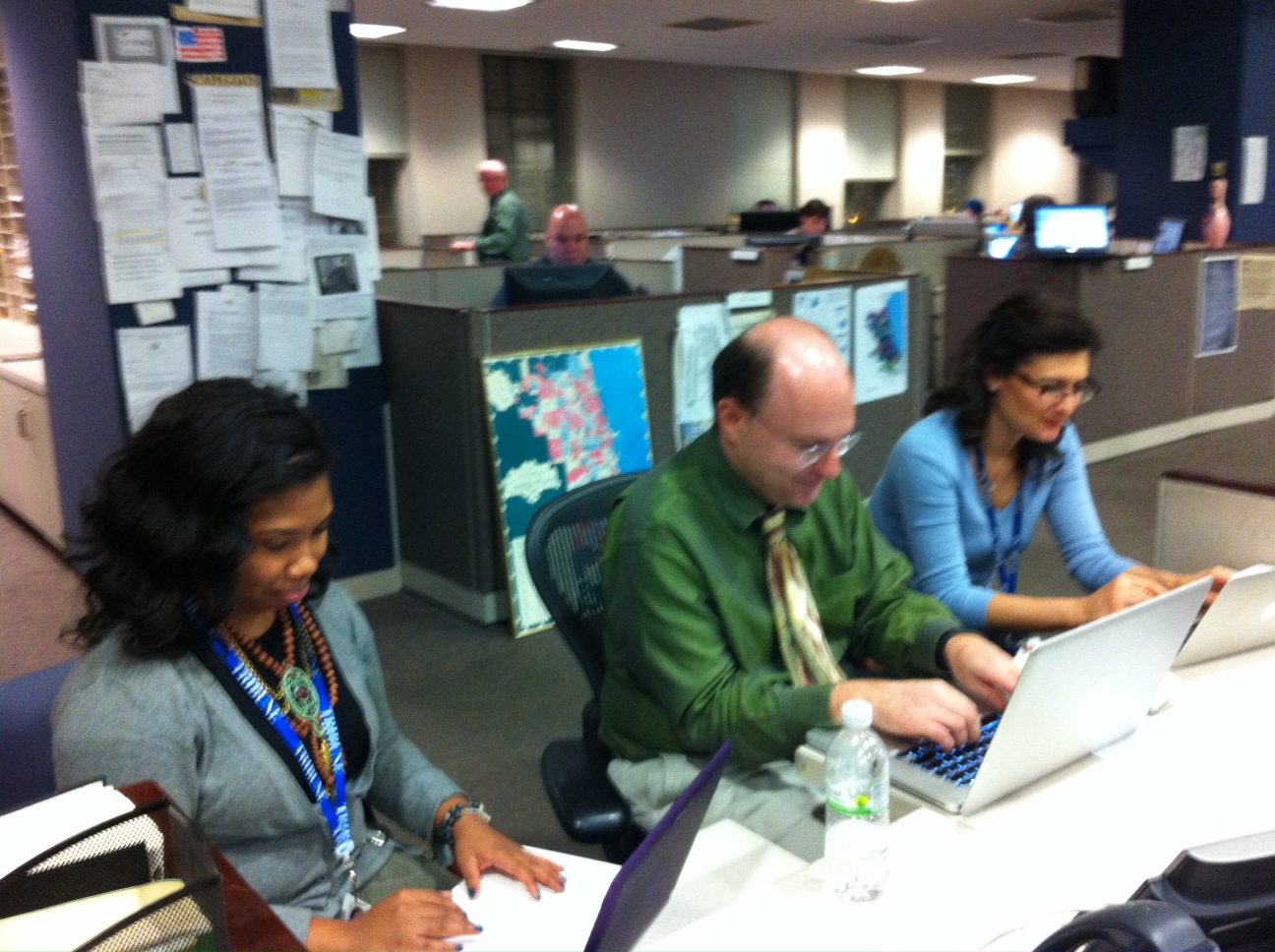
Training is the bottleneck. Journalism courses now teach coding and statistics alongside shorthand and media law, and mid-career reporters are returning to learn tools their younger colleagues take for granted. Smaller newsrooms face a resource problem, answered partly by collaboration: shared data hubs, cross-border investigation networks and open-source tools built by one newsroom and used by hundreds.
Verification has become part of the toolkit too. The same abundance of data that empowers reporters also empowers fabrication: manipulated images, synthetic documents and plausible-looking statistics produced in seconds. Data journalists have responded with forensic habits, checking file histories, cross-referencing independent sources and treating any dataset that arrives too conveniently as suspect until proven otherwise. Newsrooms increasingly publish not just their findings but their level of confidence in them, distinguishing what is proven from what is probable. In an information environment this polluted, the discipline of showing uncertainty is not a weakness of the new journalism. It is one of its defining strengths, and readers reward it.
The toolkit will keep growing, and so will the need for judgement about when not to use it. Some stories still begin with a phone call and a notebook. But the direction is unmistakable. The newsroom that can read the world’s data, and explain it clearly and honestly to everyone else, holds an advantage that grows with every dataset published.