

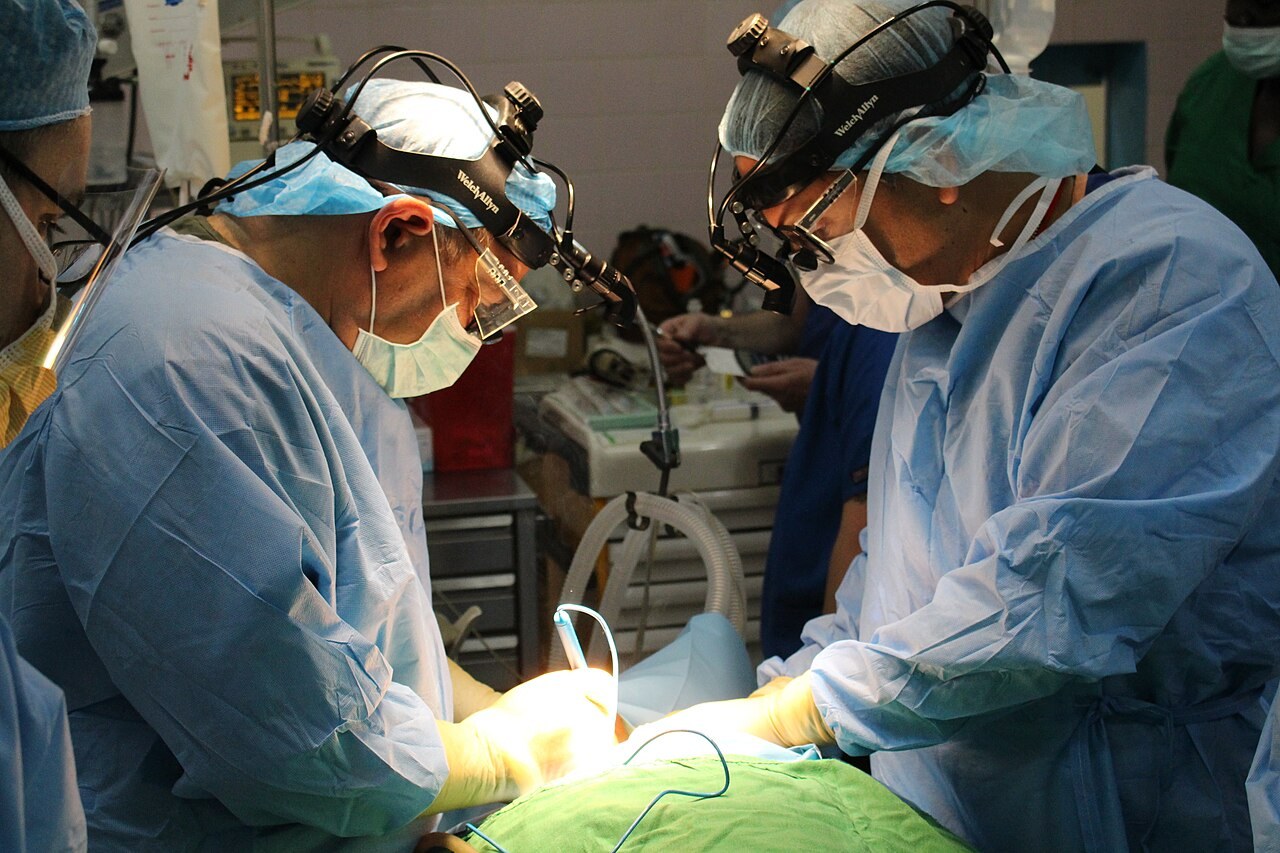

A mother of six has filed a lawsuit against the doctors and hospital involved in her care, alleging that complications following a hysterectomy left her paralysed and led to quadruple amputations. The case, which is now proceeding through the courts, has drawn attention well beyond one family’s ordeal, raising difficult questions about surgical risk, informed consent and how hospitals respond when an operation goes catastrophically wrong.
According to the claim, a procedure that is performed routinely around the world ended in a chain of complications with life-changing consequences. The allegations have not been tested in court, and the defendants are entitled to answer them in full. What is already clear is the scale of the harm described: the loss of all four limbs and paralysis would transform every aspect of daily life for the patient and for the six children who depend on her.
A Common Operation With Uncommon Risks
A hysterectomy — the surgical removal of the uterus — is one of the most frequently performed major operations for women. It may be recommended for fibroids, endometriosis, chronic pain, heavy bleeding or cancer, and it can be carried out through the abdomen, the vagina or with laparoscopic instruments. Guidance from the American College of Obstetricians and Gynecologists explains the main approaches, the recovery involved and the alternatives patients may wish to discuss before consenting.
Serious complications are uncommon, but they are not unknown. They can include severe infection, uncontrolled bleeding, injury to the bladder, bowel or blood vessels, and, in the gravest cases, sepsis. When infection overwhelms the body’s circulation, tissue in the hands and feet can be starved of blood, which is one pathway by which sepsis can end in amputation. Specialists at centres such as Johns Hopkins Medicine stress that early recognition of post-operative infection is one of the most important factors in preventing a complication from becoming a catastrophe.
The Patient-Safety Questions the Case Raises
Medical negligence claims of this kind usually turn on a small number of questions. Was the patient properly informed of the risks and the alternatives before surgery? Were warning signs after the operation recognised and acted on quickly enough? Did the hospital have effective systems for escalating care when a patient’s condition deteriorated? Expert witnesses for both sides will examine records, timelines and protocols, often minute by minute.
Patient-safety campaigners argue that the deeper lessons are systemic. Clear consent conversations, honest discussion of non-surgical alternatives, careful post-operative monitoring and a culture in which junior staff can escalate concerns without hesitation all reduce the chance of a rare complication becoming a life-changing injury. When those safeguards fail together, the consequences can be devastating even where no single individual intended harm.
Life After Catastrophic Injury
Beyond the legal arguments lies the practical reality for a family adjusting to profound disability. Quadruple amputation and paralysis require long rehabilitation, prosthetics and mobility equipment, adapted housing, personal care and sustained psychological support, for the patient and for her children. Civil claims in such cases typically seek to fund that lifetime of care, as well as to compensate for lost earnings and the injury itself. Settlements and awards in catastrophic cases reflect the reality that the costs continue for decades.
Supporters of the family say the lawsuit is also about answers: a clear, public accounting of what happened in the days between a routine admission and irreversible injuries. Hospitals generally say they cannot discuss individual cases while proceedings are active, which can leave families feeling that litigation is the only route to an explanation.
What Happens Next
The defendants will now file their response to the allegations, after which disclosure of medical records and expert reports will shape the case. Many such claims are resolved through negotiation or mediation, while others proceed to trial. Whatever the outcome, the case is likely to be followed closely by clinicians, patient groups and hospital managers alike.
You can follow health coverage and other major stories in our news section and on The Newspaper Journalist homepage. For patients facing any major operation, clinicians offer consistent advice: ask why the surgery is recommended, what the alternatives are, what the serious risks look like and exactly which symptoms after discharge should trigger an urgent call. Those conversations cannot remove risk, but they remain one of the strongest protections a patient has.